
We asked procurement specialists at some of the country’s growing dental organizations what’s working, what isn’t, and where procurement is headed. Here’s what they said.
Procurement in the dental industry has matured considerably over the past several years. What was once a function handled informally — an office manager placing orders, a regional director negotiating with a single distributor — has evolved into a strategic discipline with dedicated teams, defined processes, and measurable outcomes tied directly to organizational growth.
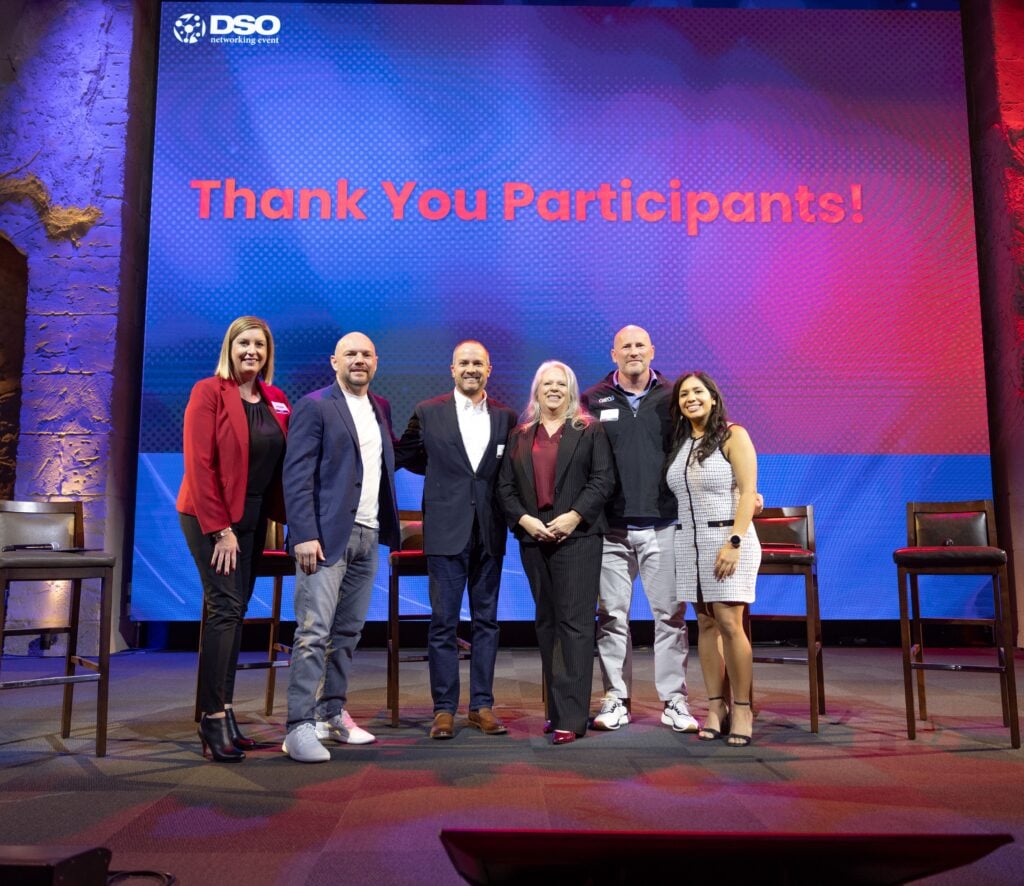
At a recent industry event with a speaking panel on DSO procurement and operational efficiency, specialists from several of the country’s growing dental organizations gathered to discuss the current state of sourcing — the challenges, the opportunities, and the decisions that separate DSOs managing procurement well from those still figuring it out.
We followed up with three of those panelists after the event. Their responses, shared below, reflect the kind of on-the-ground perspective that doesn’t often make it into industry reports.
DSO Procurement Strategy: The Questions
What mistakes do you commonly see DSOs make when managing procurement — and how can they avoid them?
Sevāredent’s Take
The pattern we see most often isn’t a technology failure or a vendor problem — it’s a process that worked until people started making exceptions. One location gets a workaround approved, a regional manager cuts a side deal, and gradually the standardization that made things work starts to unravel. Vendor relationships get inconsistent, spend becomes harder to forecast, and the team ends up relitigating the same supplier conversations every year. The fix isn’t complicated. It’s committing to the process even when the one-off exception seems harmless.
“One of the most common mistakes I see DSOs make is moving away from their established procurement process or ‘going off script.’ When teams begin making exceptions or creating workarounds outside of the defined plan, it can quickly lead to inconsistencies, misaligned expectations, and unnecessary complexity. Procurement works best when there is a clear, standardized process that everyone follows.”
— Dan Stewart, Procurement and Real Estate, Gen4 Dental Partners
How has vendor consolidation and GPO participation changed purchasing strategy in the last few years?
Sevāredent’s Take
One of the first things we hear from new members is how much clearer their spend picture becomes once purchasing runs through contracted channels. Which locations are spending what, which supplier contracts are actually being used — that visibility isn’t a given for a lot of DSOs, especially ones that grew quickly. But it matters, because you can’t negotiate well against data you don’t have. When that picture comes into focus, the conversations with suppliers change entirely.
“GPOs have made it so we can continue to keep our word on how we run our DSO with autonomy while trying our best to maintain reasonable costs. This is especially true when we first onboard an office and we have not gained their trust yet. At that point, it’s important for us to show them we are listening and are not going to come in and fully change the way they practice.”
— Abigail Castro, Procurement Specialist, GPS Dental
“Participation in a GPO allows groups to supercharge their consolidation efforts. GPOs allow procurement leaders to quickly identify strategic partners and streamline the negotiation process. Sevāredent’s partnership with Henry Schein further streamlines this process as the savings are immediately realized through the distribution channel.”
— Joe Crowder, Director of Procurement, Lightwave Dental
How can procurement teams better collaborate with clinical staff to drive standardization and savings?
Sevāredent’s Take
When clinical staff push back on procurement initiatives, it’s rarely because they don’t care about costs. More often it’s because they’ve seen changes roll out without anyone asking whether the product actually works chairside. The practices that get standardization right bring clinicians into the conversation before the decision is made — not to sign off at the end, but to help shape it. That difference matters. When clinicians feel like they had a say, they tend to become the strongest advocates for the change.
“I find it very important for there to be communication between the procurement team and the staff. It is just like with everything in the dental industry — it is relationship driven. We have to make the effort to build that bond with them. I find that after they feel comfortable that you want to work with them on mutual goals, they are much more receptive to hearing ideas for change or trying new things.”
— Abigail Castro, Procurement Specialist, GPS Dental
“Procurement initiatives are more effective if they include a clinical champion to be the voice of the customer as well as validate the product and service selections. They can also be key to achieving support at the clinician and practice level and ensure execution of the initiatives.”
— Joe Crowder, Director of Procurement, Lightwave Dental
If you could give one piece of advice to a growing dental group trying to professionalize its procurement function, what would it be?
Sevāredent’s Take
DSOs that struggle with procurement usually have the same story: they chased savings before the foundation was solid. Good deals get made, costs get cut in places, but nothing holds because the underlying processes aren’t consistent enough to sustain it. Get the basics right first — standardized ordering, contracted pricing, reliable spend data. Once that infrastructure is in place, the savings follow. It’s less exciting than landing a big discount, but it lasts.
“Stay consistent and committed to your procurement process as your organization grows. As dental groups expand, especially through mergers and acquisitions, it becomes even more important that everyone understands the established processes, the value they provide, and the boundaries they operate within. Maintaining that discipline helps create consistency, scalability, and long-term success.”
— Dan Stewart, Procurement and Real Estate, Gen4 Dental Partners
“Start early. Implementing processes and change management is much easier in the beginning rather than after culture and norms are established. It is also important to have a clear vision beyond just maximum savings and to address the balance between clinical autonomy and uniformity. This will help guide the procurement strategy and department development.”
— Joe Crowder, Director of Procurement, Lightwave Dental
“It’s never too early to start building the procurement department the way you envision it to be — but it’s also important to remember that just like the DSO itself, procedures have to evolve and grow along with it to make it successful.”
— Abigail Castro, Procurement Specialist, GPS Dental
The through-line across every response here is consistency — in process, in communication, in how procurement is integrated into the broader organization. The DSOs that get this right aren’t necessarily the largest ones. They’re the ones that made the decision early to treat sourcing as a strategic function rather than an administrative task.
That’s exactly the kind of partnership Sevāredent was built to support. Whether your organization is formalizing procurement for the first time or looking to strengthen what you’ve already built, we work alongside DSOs and group practices to bring structure, contracted pricing, and strategic supplier relationships to the sourcing function.
Ready to Strengthen Your Procurement Strategy?
Connect with a Sevāredent Account Manager to explore membership or learn how our GPO partnerships can support your organization’s sourcing goals.